Forget Cramming: Why Reading Is Your Child's Biggest SEAG Advantage
When parents think about preparing their child for the SEAG transfer test, the mind often jumps straight to maths drills: times tables, fractions, problem-solving papers. And while maths practice absolutely matters, there's a quieter, less flashy habit that underpins success across the entire exam: reading.
Here's why building a strong reading habit early is one of the best things you can do for your child's transfer test journey.
1. Every Question Starts With Understanding the Words
Even maths and problem-solving papers are, at their core, reading exercises. A child who struggles to read fluently will spend precious exam time decoding the question before they can even begin solving it. Strong readers process instructions faster, spot key details more easily, and have more mental energy left over for the actual thinking.
2. Comprehension Is a Huge Part of the Test
Comprehension papers reward children who can read quickly, retain what they've read, and pull out relevant details under time pressure. This isn't a skill you can cram in the final few weeks — it's built gradually, book by book, over months and years. Children who read widely and regularly develop:
A bigger vocabulary, so unfamiliar words don't trip them up
Better inference skills: reading "between the lines"
The stamina to stay focused through longer passages
3. Vocabulary Growth Happens Almost Invisibly
Children encounter far more rich, varied vocabulary through books than they do in everyday conversation. A child reading regularly will absorb new words in context, understanding not just what a word means, but how it's used, which pays off directly in comprehension questions, verbal reasoning, and even written answers.
4. Reading Builds Focus and Exam Stamina
The SEAG test requires sustained concentration. Regular reading, especially chapter books and longer texts, trains a child's ability to sit still, focus, and follow a thread of thought for extended periods. That stamina transfers directly to sitting a full exam paper without losing concentration halfway through.
5. Confidence Compounds
A child who reads confidently walks into an exam room with one less thing to worry about. They're not deciphering words while also trying to solve a problem — they're free to focus on the actual task. That confidence reduces exam stress and helps children perform closer to their true potential.
Practical Tips for Building a Reading Habit
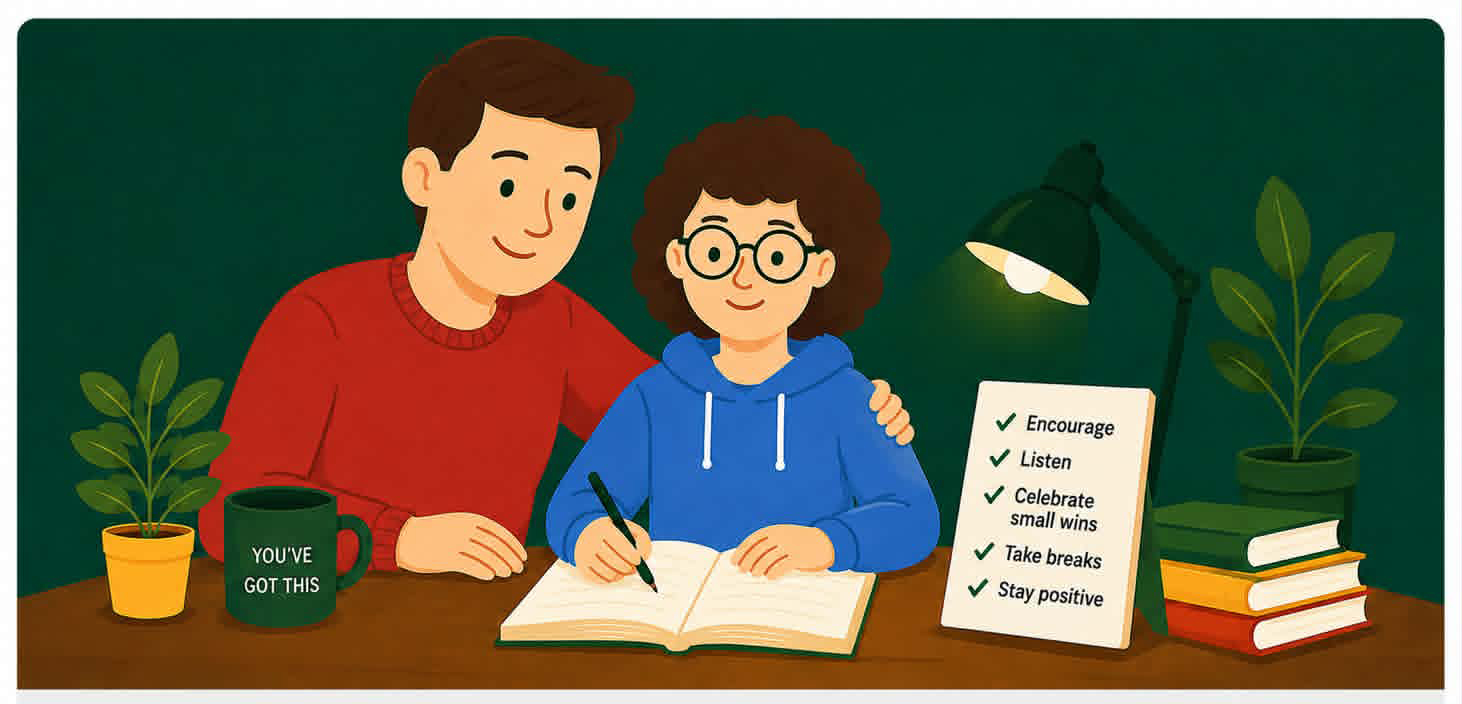
Little and often beats cramming. Fifteen to twenty minutes a day is more effective than an hour once a week.
Let them choose. Children read more, and more happily, when they have some say in what they're reading.
Mix it up. Fiction, non-fiction, comics, and articles all build different reading muscles.
Talk about what they've read. Asking simple questions afterward ("What do you think will happen next?") builds comprehension skills naturally.
Read aloud together, even with older children: it models fluency and exposes them to vocabulary above their independent reading level.
The Takeaway
Maths practice papers matter, but they work best when a child can read and understand them quickly and confidently. Building a strong reading habit isn't a "nice to have" alongside SEAG prep — it's one of the foundations everything else is built on.
Start early, keep it enjoyable, and the results will show up not just in comprehension scores, but across every part of the test.