Getting Your Child Ready for the Northern Ireland SEAG Test
If your child is preparing for the SEAG test, you might currently have a house full of practice papers, pencils and the occasional dramatic sigh of "I hate Maths!"
Don't worry, you're not alone.
Preparing for SEAG doesn't have to mean hours of revision every night or turning your kitchen table into a mini exam centre. A little regular practice, some encouragement and a calm approach can go a long way.
Keep it simple
You don't need to start with hours of practice.
Even 15 to 20 minutes a few times a week can help. The important thing is keeping it regular and making sure your child doesn't start thinking that every evening now involves another test.
Use the official SEAG practice papers to help your child get used to the format and the types of questions they'll see. The more familiar it feels, the less daunting it should be on the day.
Read, read and read some more
Reading is one of the easiest ways to help with the English side of the test.
Encourage your child to read whatever they enjoy. Books, comics, magazines, newspapers or anything else that gets them reading counts.
You can also have a quick chat about what they've read. Ask what they think might happen next, why a character behaved a certain way or what a tricky word means.
It doesn't have to feel like revision. Sometimes a conversation in the car can be just as useful as sitting down with a workbook.
Make Maths part of everyday life
Maths doesn't always need to involve a worksheet.
Ask your child how much change you should get when you're shopping. Get them to work out how long a journey will take. Double a recipe together or ask them to calculate how many biscuits everyone gets if there are 12 biscuits and four people.
Just try not to eat all the biscuits before they finish the calculation.
The more comfortable your child is with numbers in everyday situations, the better.
Don't get stuck on one question
One of the biggest things your child can learn is that it's okay not to know an answer straight away.
If a question looks completely bizarre, tell them to stay calm, have a go and move on if necessary.
Spending five minutes staring at one question while the clock marches on isn't going to help.
Practice can teach them how to manage their time and come back to tricky questions with a fresh pair of eyes.
Learn from mistakes
Getting questions wrong during practice isn't a bad thing. It's actually one of the main reasons you're practising.
Instead of simply telling your child the correct answer, ask them why they chose theirs.
They might have misunderstood the question, rushed, missed a word or simply made a silly mistake.
And let's be honest, we all make silly mistakes. Even adults occasionally walk into a room and immediately forget why they're there.
The important thing is working out what went wrong and trying again.
Try not to compare
This can be easier said than done.
There will always be someone who tells you their child is doing three practice papers before breakfast and has already memorised the dictionary.
Try not to worry about it.
Every child is different. What works brilliantly for one child might make another completely fed up.
Find a routine that works for your child and stick with it.
Keep the pressure off
SEAG is important, but it isn't everything.
Your child still needs time to play, relax, see friends, enjoy hobbies and have a life that doesn't revolve around practice papers.
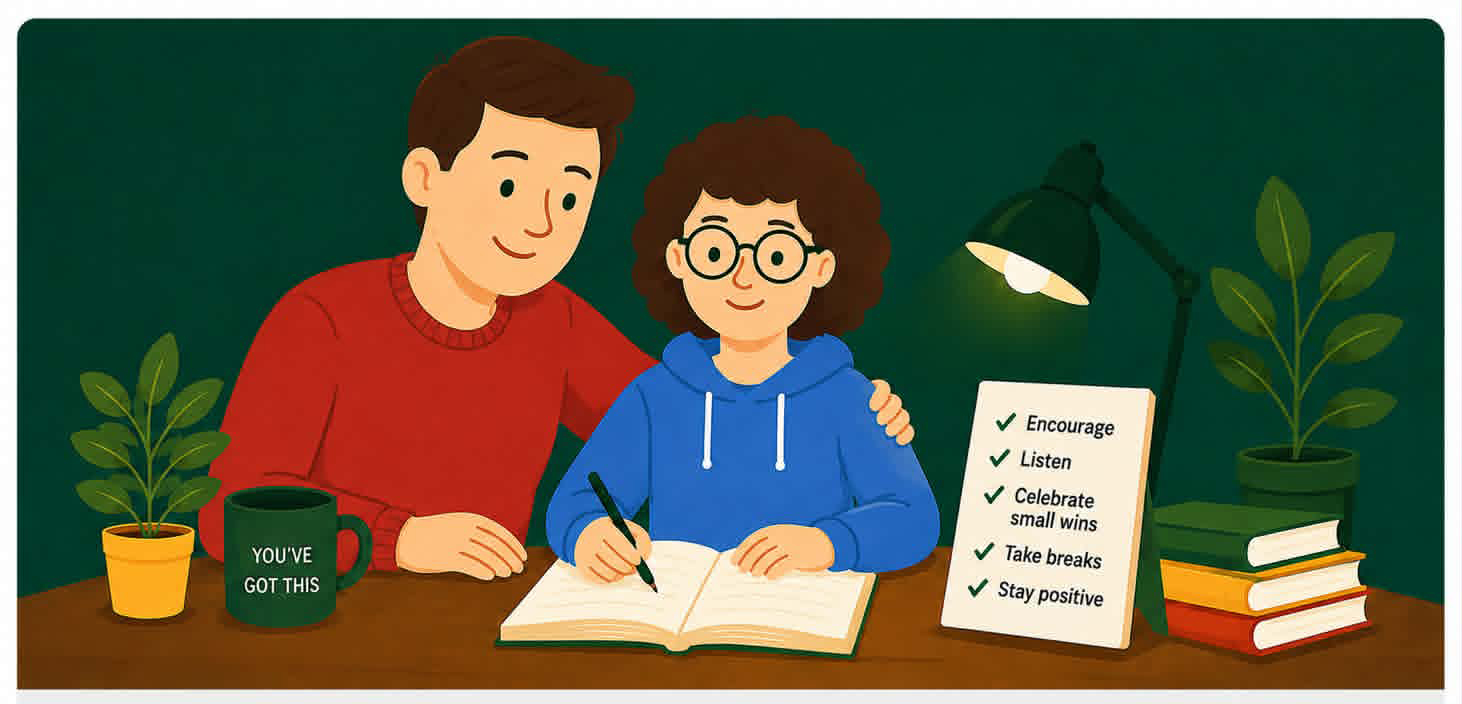
Praise their effort rather than focusing only on scores.
"Well done for sticking with that" can be much more helpful than "You only got 17 right."
The aim is to build confidence, not fear.
Get organised before the big day
As the test gets closer, make sure you've got the practical things sorted.
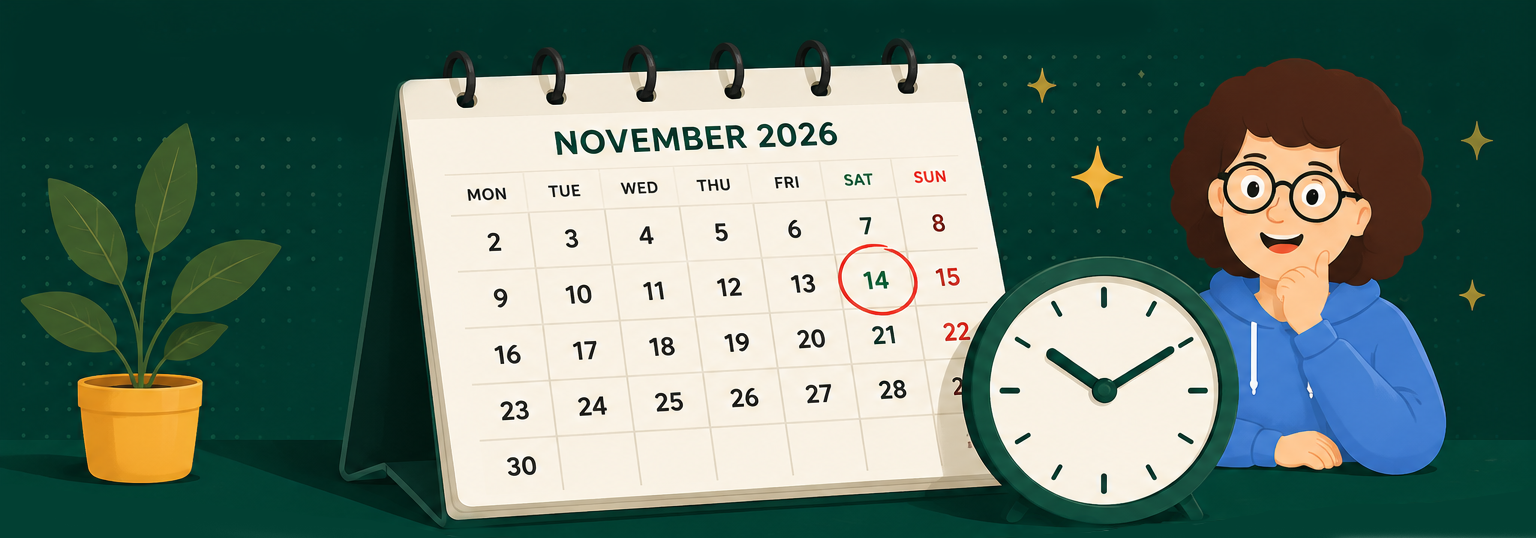
Know where your child is going, what time you need to arrive and what you need to bring. For the 2026 assessment, Paper 1 is scheduled for Saturday 14 November and Paper 2 for Saturday 21 November.
Getting organised beforehand means there is one less thing to worry about.
And please don't spend the night before frantically trying to squeeze in another five practice papers.
A good night's sleep is probably more useful at that point.
The main thing to remember
Preparing for SEAG is really about helping your child feel ready, not perfect.
Encourage them to read carefully, take their time, have a go at difficult questions and keep going if something doesn't make sense straight away.
Keep practice regular, keep the atmosphere positive and remember that your child is still a child.
There will be plenty of time for tests and deadlines later in life.
For now, help them prepare, give them plenty of encouragement and try not to let SEAG take over the kitchen table, the evenings or your sanity!