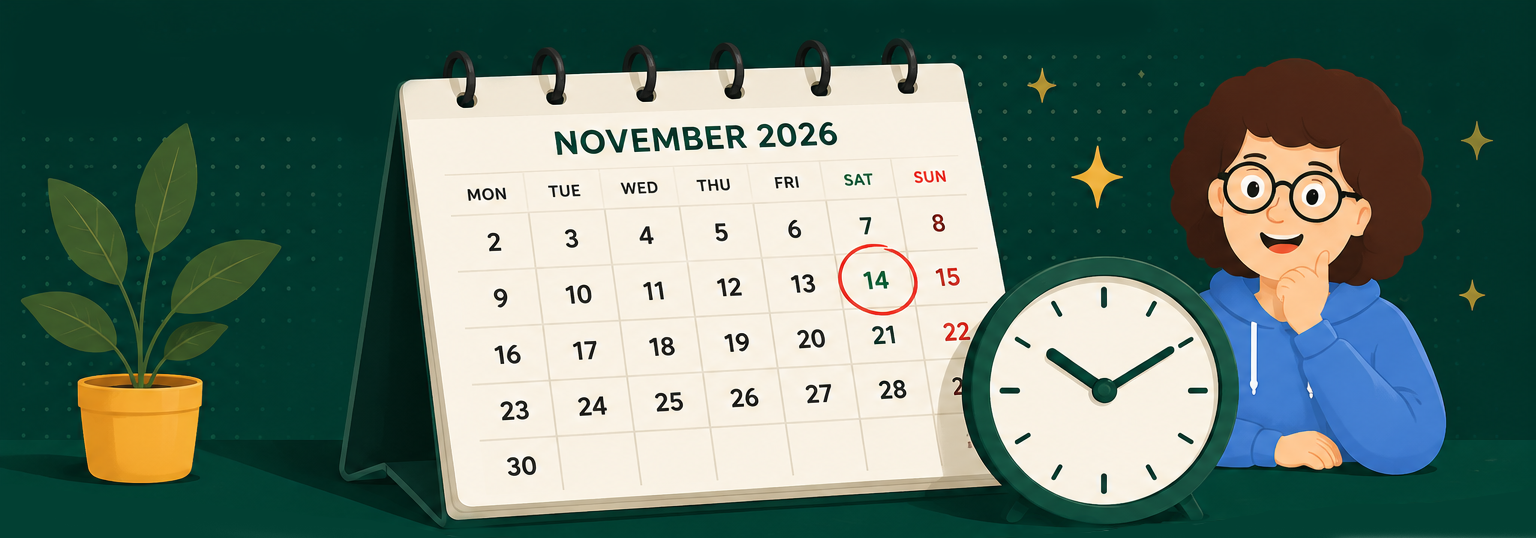
Feeling nervous about the SEAG test is completely normal. In fact, a few butterflies can be a good thing. The trick is helping your child stop those butterflies from turning into a full flock of birds!
Here are some simple ways to help.
Talk about it
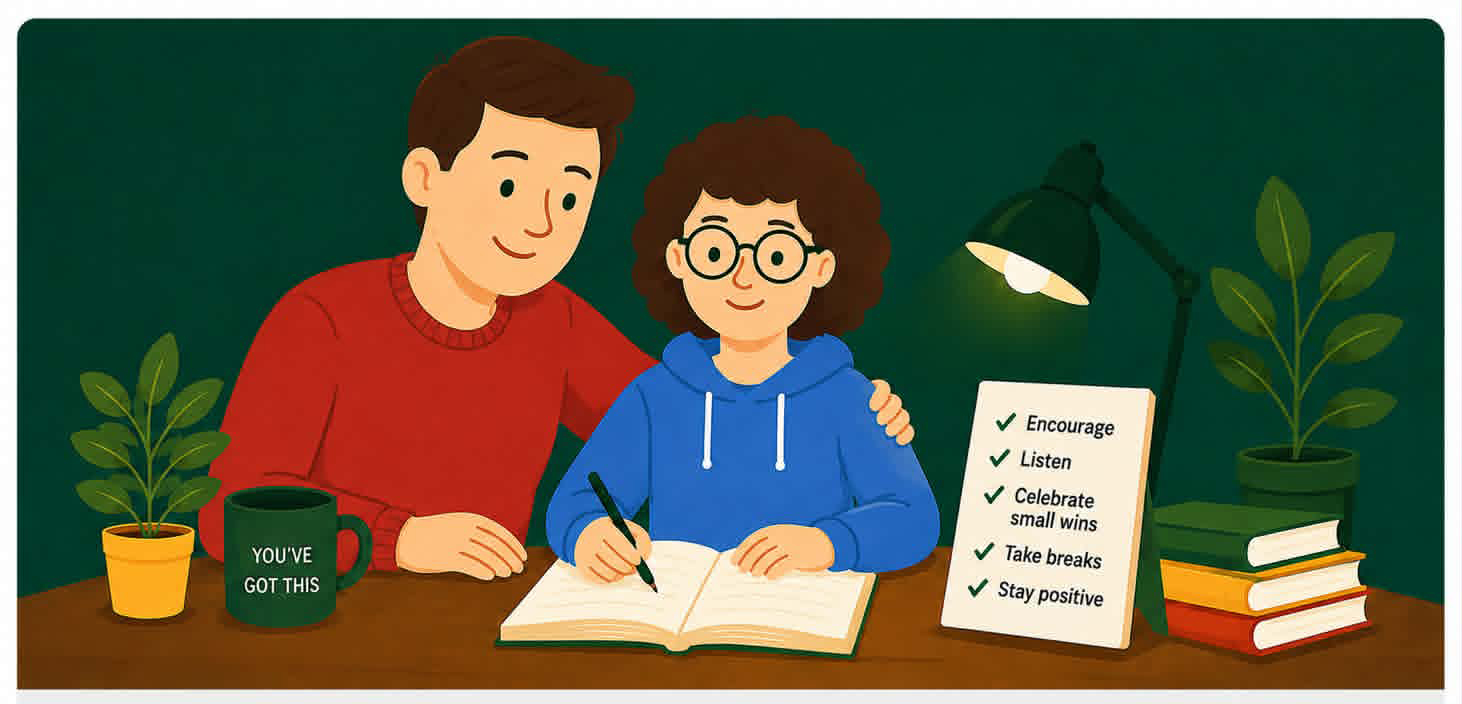
Encourage your child to talk about what they're worried about.
Are they worried about getting questions wrong? Running out of time? Being in a new place?
Once you know what's bothering them, you can help them deal with it.
Practise makes things familiar
The more familiar your child is with the test format, the less mysterious it can feel.
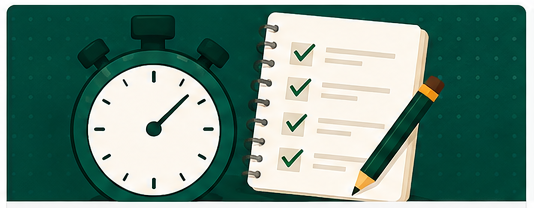
Use practice papers and timed questions to help them know what to expect.
The aim isn't to make them perfect. It's to make the test feel less like a complete unknown.
Keep calm yourself
Children pick up on our nerves surprisingly quickly.
If you're pacing around the kitchen saying, "Are you ready? Are you ready? ARE YOU READY?" they're probably going to feel a bit stressed too!
Try to stay positive and relaxed.
Focus on effort
Remind your child that they don't have to get everything right.
Encourage them to read carefully, have a go and keep going when something is difficult.
Praise effort and progress rather than constantly asking about scores.
Look after the basics
Good sleep, regular meals, fresh air and some downtime can all help.
The night before the test is not the time for a last-minute revision marathon.
Put the books away, get everything ready and have a normal evening.
Have a simple calming trick
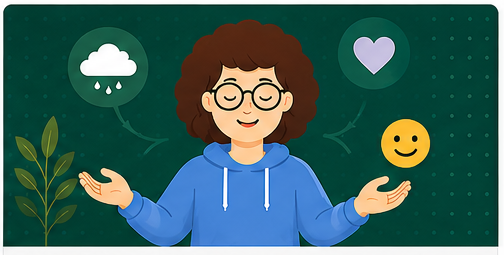
If your child feels nervous, encourage them to take a few slow breaths.
Breathe in slowly, pause and breathe out slowly.
It sounds simple, but taking a moment to slow down can help them feel more in control.
Keep it in perspective
Remind your child that the SEAG test is important, but it isn't a measure of who they are.
They are still the same child whether they get a question right or wrong.
And once the test is finished, it's finished.
No more practice papers. No more revision. Just snacks and a well-earned rest!
The main thing to remember
Your child doesn't need to walk into the Assessment Centre feeling completely fearless.
They just need to know that feeling nervous is normal and that they can handle it.
Keep calm, keep positive and remind them: "You've prepared for this. Just do your best."