Time Management Tips for the SEAG Test
When it comes to SEAG, knowing the answer is only part of the job. Your child also needs to know how to manage their time.
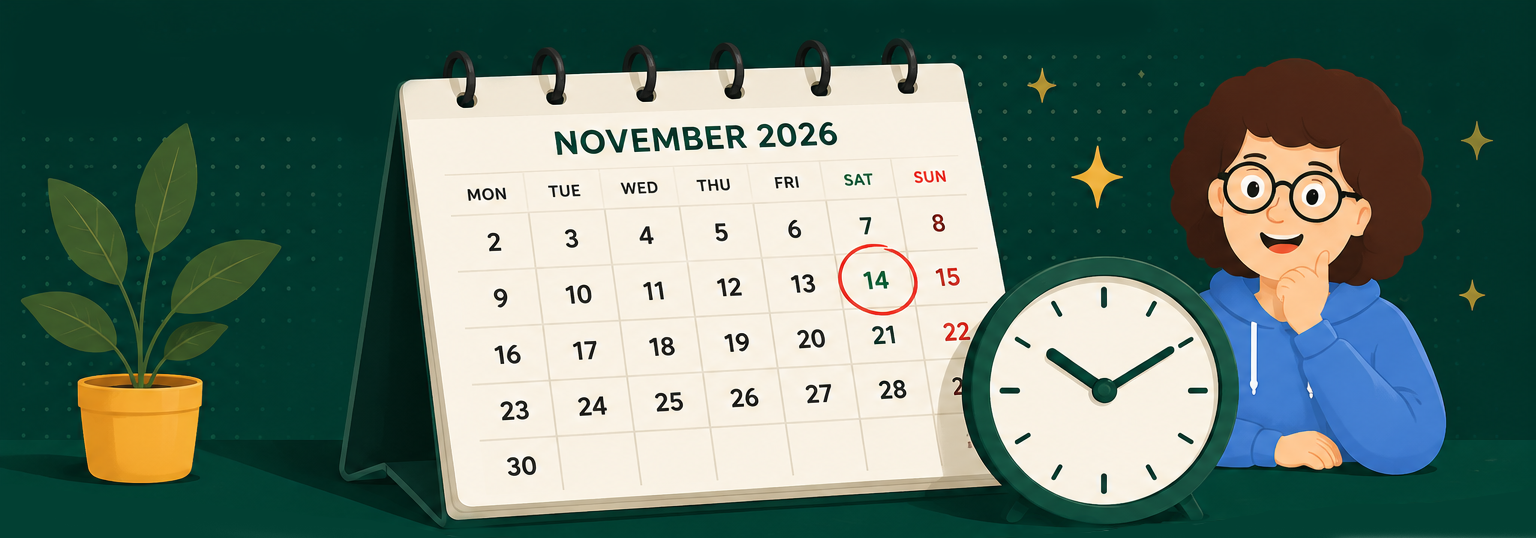
The main test has 56 questions in 60 minutes, with 28 English or Gaeilge questions and 28 Maths questions. There is also a short, untimed practice section before the main test begins. (seagni.co.uk)
Here are some simple ways to help your child get comfortable with the clock.
Don't spend too long on one question
If a question is proving difficult, don't let it eat up valuable time.
Encourage your child to make their best attempt and move on rather than sitting staring at the same question.
One tricky question shouldn't turn into a ten-minute argument with a pencil.
Read carefully, but keep moving
Reading too quickly can lead to silly mistakes, but reading the same question five times probably isn't helping either.
Encourage your child to read carefully, work out what the question is asking and then make a decision.
Practise working at a steady pace
Timed practice can help your child get a feel for how quickly they need to work.
Don't make every practice session timed. Start by focusing on accuracy, then introduce the clock once they're comfortable with the questions.
SEAG provides free official practice papers and answer sheets, which are useful for becoming familiar with the format. (seagni.co.uk)
Keep an eye on progress
During practice, encourage your child to check how they're doing for time.
They don't need to constantly watch the clock, but they should have a rough idea of whether they're working at a comfortable pace.
The goal is steady, not frantic.
Don't panic if they fall behind
If your child realises they're taking too long, there's no need to panic.
Take a breath, move on and keep going.
A calm approach is much more useful than suddenly trying to answer everything at super-speed.
Practise at home
You can make time management part of normal practice.
Try setting a timer for a short group of questions and gradually build up to completing a full practice paper within the 60-minute limit.
This helps the timing become familiar before test day.
The main thing to remember
Your child doesn't need to race through the SEAG test.
They need to find a comfortable rhythm:
Read carefully → Work it out → Answer → Move on.
Practise that routine at home and the clock should feel much less scary when the real test arrives.
Steady beats speedy!