Top Tips for SEAG Prep: Helping Your Child Prepare with Confidence
Preparing for the SEAG Transfer Test can feel like a big undertaking for both children and parents. But effective preparation does not mean hours of revision every evening or constant pressure to get every question right.
As an educator with experience of the SEAG assessment, I believe the best preparation is about building strong skills, developing confidence and helping children become comfortable with the types of questions they may encounter.
Here are my top tips for effective SEAG preparation.
1. Get the basics right
Before tackling challenging questions, make sure your child has a secure understanding of the fundamentals.
For Maths, this includes areas such as number, fractions, decimals, percentages, measurement, time, money, shape, data and problem solving.
For English, focus on spelling, vocabulary, grammar, punctuation, comprehension and understanding meaning.
Strong foundations give children the confidence to tackle more challenging questions.
2. Make reading a daily habit
If there is one habit I would encourage every child preparing for SEAG to develop, it is regular reading.
Encourage your child to read every day, even if it is just for 15 to 20 minutes. Novels, non-fiction, newspapers, magazines and interesting articles can all help develop vocabulary, comprehension and concentration.
Don't just ask what happened. Talk about what they have read.
Ask:
- What do you think will happen next?
- Why did the character do that?
- What does this word mean?
- What makes you think that?
- Can you explain that in your own words?
These conversations develop inference, vocabulary and deeper understanding.
Most importantly, don't turn every book into a test. Reading should be enjoyable too.
3. Focus on understanding
When your child gets a question wrong, don't simply give them the answer.
Ask:
"How did you work that out?"
Understanding why an answer is wrong is often more valuable than simply correcting it. It helps children develop the reasoning skills they need to tackle unfamiliar questions.
4. Practise problem solving
SEAG questions require children to think carefully, not simply recall facts.
Encourage them to ask:
What do I know?
What do I need to find out?
What information do I need to use?
What method will help me?
This is particularly important for multi-step Maths questions, where children need to decide what to do rather than simply carry out a calculation.
5. Practise regularly, not in bursts
Short, regular practice is generally more effective than long revision sessions or last-minute cramming.
Aim for manageable sessions that fit naturally into your child's routine. As they become more confident, introduce timed practice gradually.
The goal is to develop accuracy and confidence first, then speed.
6. Learn from mistakes
Don't just count how many questions your child gets right.
Look at the mistakes.
Are they rushing? Misreading questions? Making calculation errors? Struggling with vocabulary? Finding multi-step problems difficult?
Spotting patterns allows you to focus practice where it is actually needed.
7. Teach good exam habits
Children should become comfortable reading questions carefully and looking out for important words such as most, least, difference, total, approximately and not.
If they get stuck, teach them not to panic. They can reread the question, eliminate answers they know are wrong and move on if necessary.
Good exam technique can make a real difference.
8. Build confidence, not pressure
Preparation should be about more than improving scores.
Praise effort, persistence and good thinking. Let your child know that finding something difficult does not mean they cannot do it.
Try to avoid comparing their results with friends or classmates. Focus instead on their own progress.
And remember that children still need time for friends, hobbies, exercise and simply being themselves.
9. Practise the skills beyond the test
Some of the best SEAG preparation can happen without a worksheet.
Estimate prices while shopping. Work out change. Talk about fractions when cooking. Discuss new words while reading. Look at charts and graphs together.
These everyday activities develop useful skills without making everything feel like exam preparation.
10. Keep it in perspective
There is no single magic resource or practice paper that guarantees success.
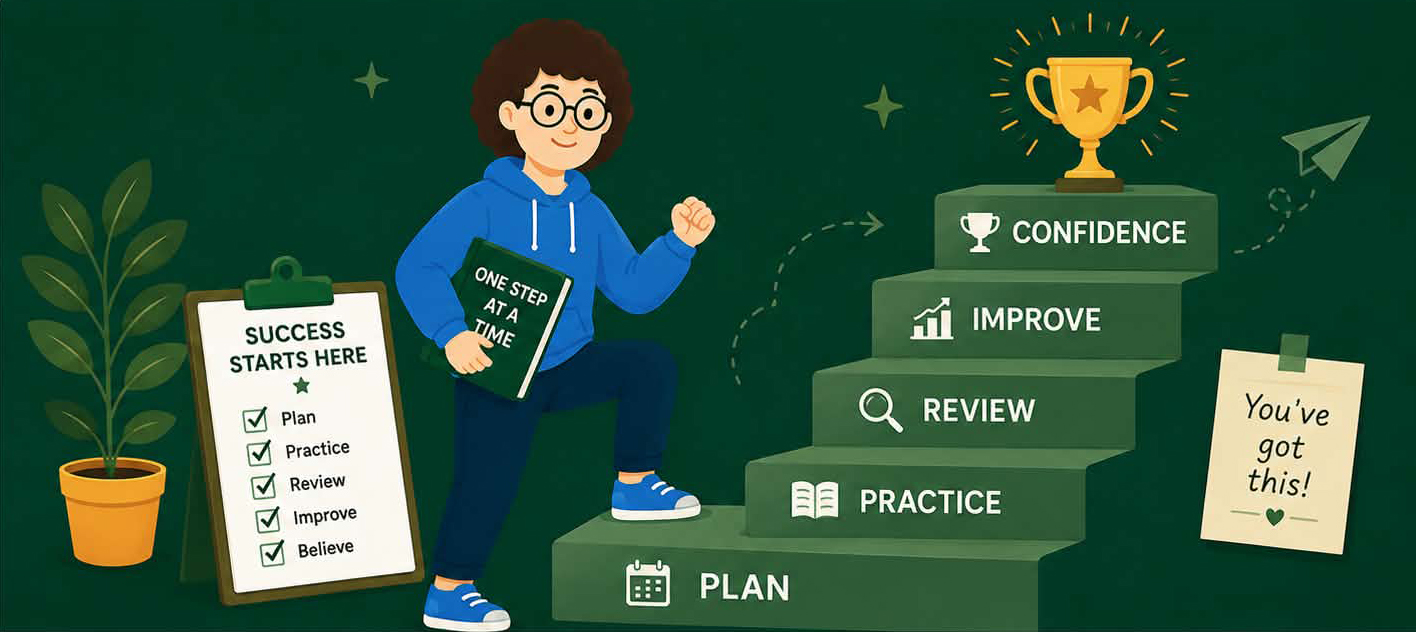
Effective preparation comes from strong foundations, regular reading, purposeful practice, good exam technique and a positive mindset.
Most importantly, your child is more than a test result.
The aim is to help them walk into the assessment feeling prepared, capable and confident.
Prepare well. Read every day. Practise regularly. Build confidence. And keep the pressure in perspective.
This is the version I’d recommend for your website. It still gives parents genuine expert advice, but it is much easier to read online and doesn't feel overwhelming.